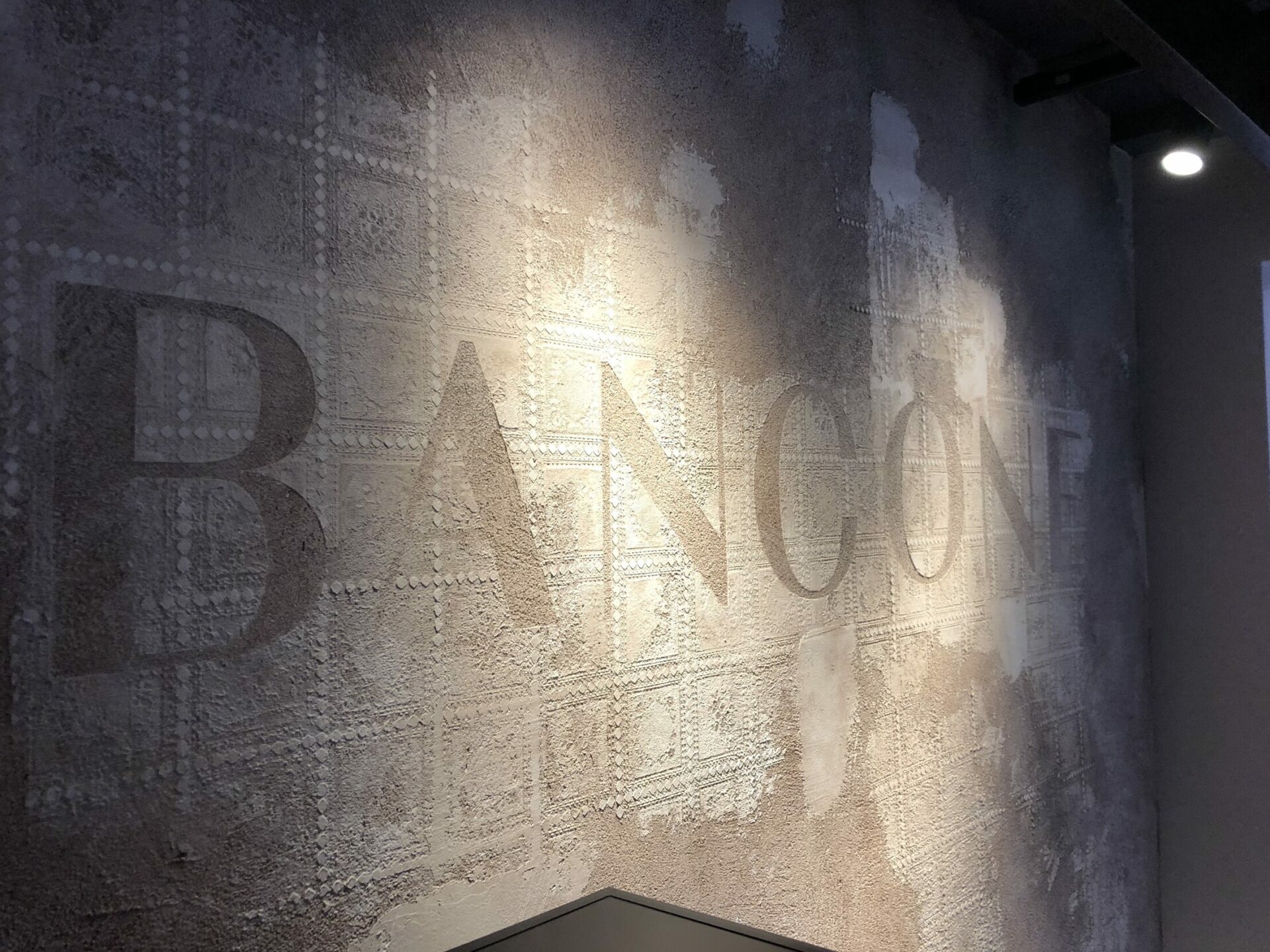
Updated in January 2026
What is Venetian plaster for walls? The complete London UK guide
TL;DR
Venetian plaster for walls is a decorative wall finish made from natural lime and marble dust that creates smooth, textured, or polished surfaces with a premium look. It is long-lasting, breathable, and ideal for London homes and commercial interiors. If you are exploring finishes and want expert help, explore the rest of our website at Hikitia or get in touch for a free quote.
Venetian plaster for walls is a decorative plaster finish applied by hand to create smooth, textured, or polished surfaces that look like stone. Venetian plaster for walls is popular in London because it adds depth, character, and durability that standard paint cannot match.
This guide explains exactly what Venetian plastering is, how it works, why people choose it, and when it is the right option for your space.
Table of contents
What is Venetian plaster for walls?
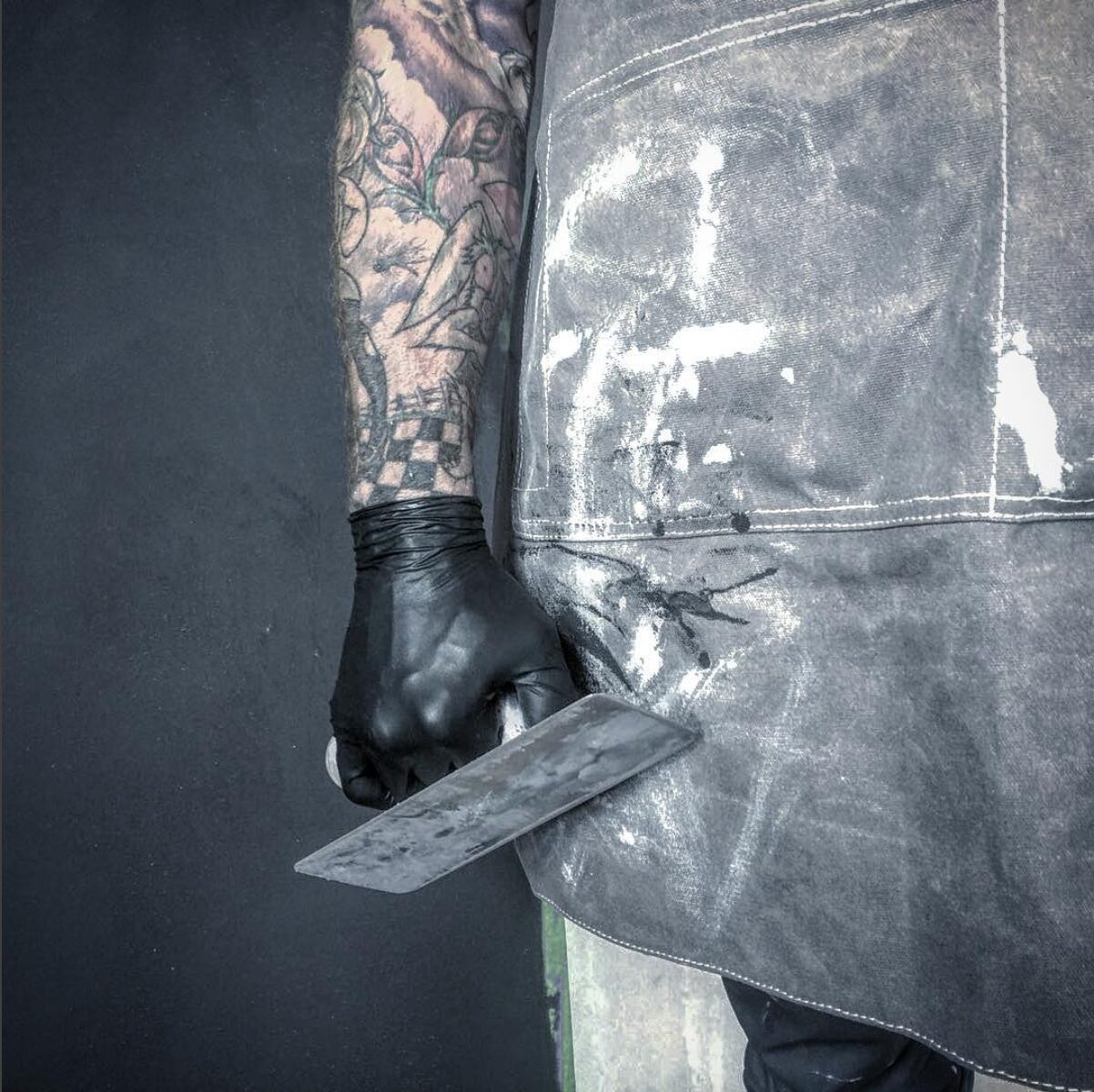
Venetian plaster is a decorative wall finish that dates back to ancient Italy. It is applied in thin layers using a trowel, then compressed and polished to create depth and movement.
Unlike paint, Venetian plaster becomes part of the wall surface. It is not just a coating.
People often choose Venetian plaster for:
-
Feature walls
-
Living rooms and hallways
-
Bedrooms
-
Bathrooms when sealed correctly
-
High-end commercial interiors
In London, it is especially popular in period homes, apartments, and modern refurbishments where people want something timeless rather than trendy.
How does Venetian plastering work?
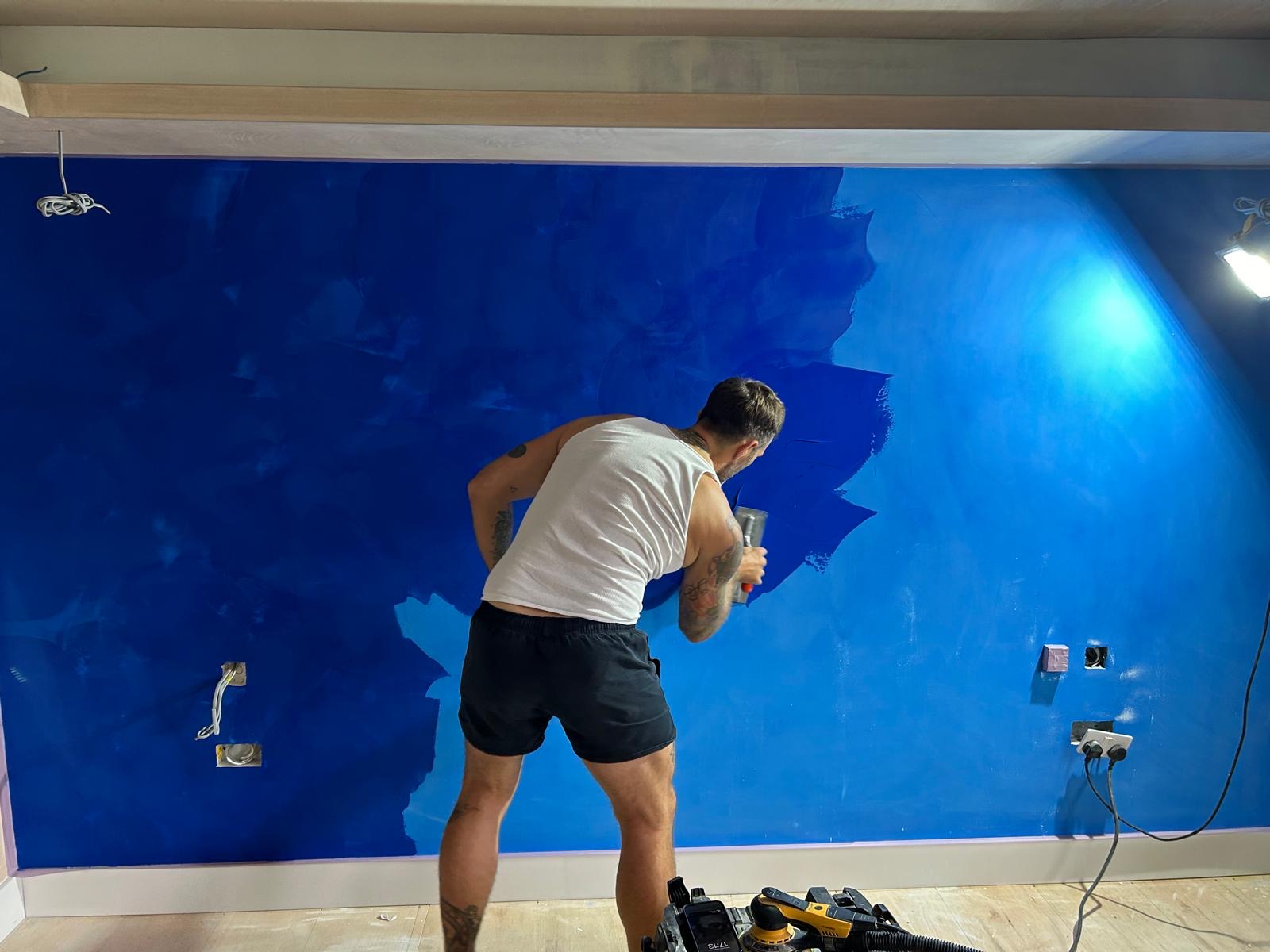
Venetian plastering is a skilled, multi-stage process. It is not a one-coat job.
Here is how it works in simple terms.
Step-by-step overview
-
The wall is prepared so it is flat, clean, and stable.
-
The first coat is applied to create a base.
-
Additional thin coats are added by hand.
-
Each layer is compressed using a trowel.
-
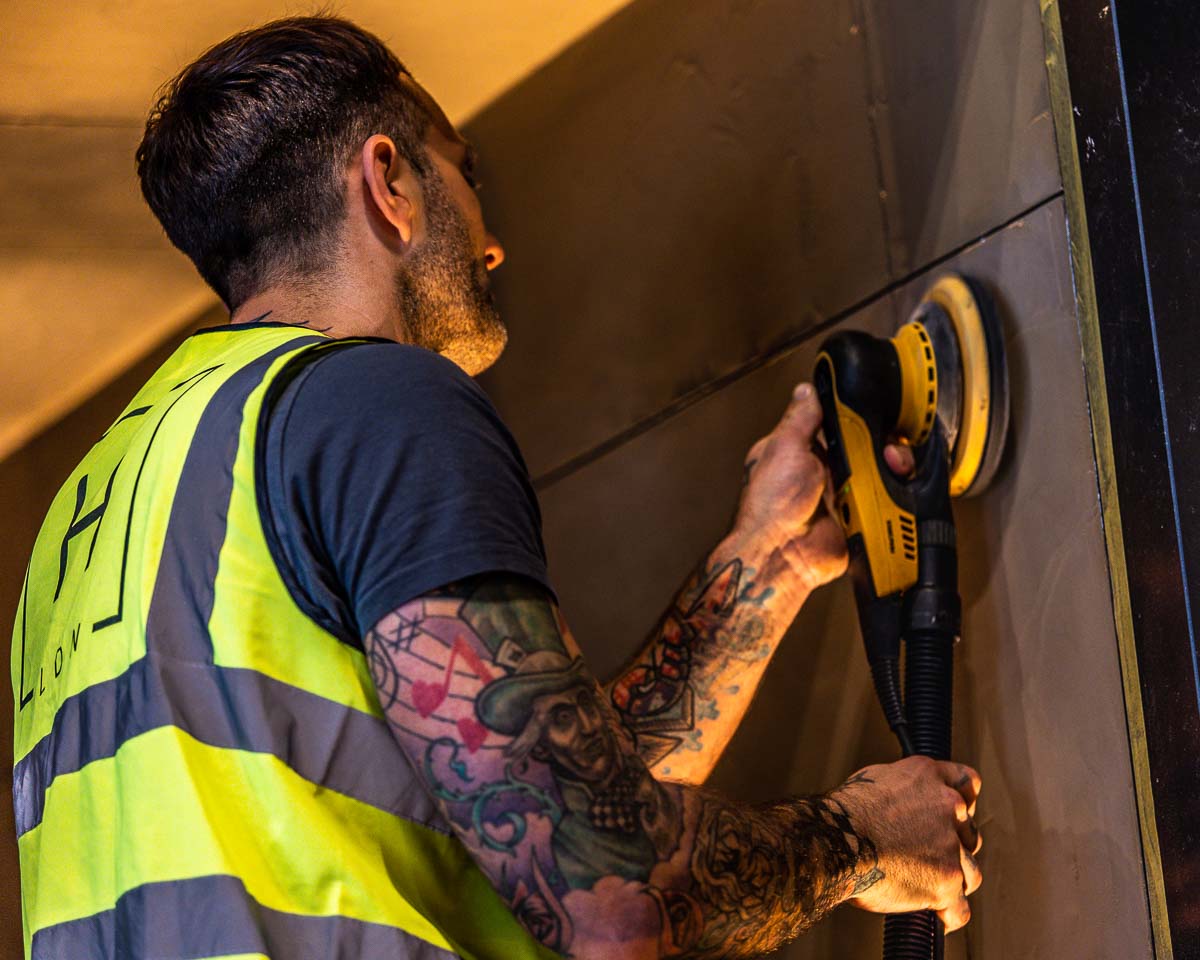
The surface is polished to achieve the chosen finish.
-
A protective seal may be applied if needed.
Each step affects the final look. This is why experience matters.
If you want to understand how this applies to your own space, see the Venetian plastering services section on https://hikitia.co.uk.
What is Venetian plaster made from?
Traditional Venetian plaster uses natural ingredients. This is one reason it performs so well on interior walls.
Most finishes are made from:
-
Lime putty
-
Marble dust
-
Natural pigments
Because it is lime-based, Venetian plaster is breathable. This helps regulate moisture and reduces the risk of trapped damp.
For more technical background on lime-based materials, you can see guidance from Historic England:
https://historicengland.org.uk/advice/your-home/building-materials/lime/
Benefits of Venetian plaster for walls
Here are the 10 key benefits homeowners and designers love.
-
It creates a unique finish that cannot be replicated with paint.
-
Every wall is one of a kind.
-
It adds depth and movement to flat surfaces.
-
It is long-lasting when applied correctly.
-
It is breathable, which suits older London properties.
-
It can be polished smooth or left textured.
-
It works well in both modern and traditional interiors.
-
It is easy to clean when sealed.
-
It does not peel or flake like paint.
-
It adds perceived value to interiors.
Here’s the thing. People often choose Venetian plaster because they want something that still looks good in ten or twenty years.
Venetian plaster finishes explained
Not all Venetian plaster looks the same. The finish depends on technique, material choice, and how the surface is polished.
Polished finishes
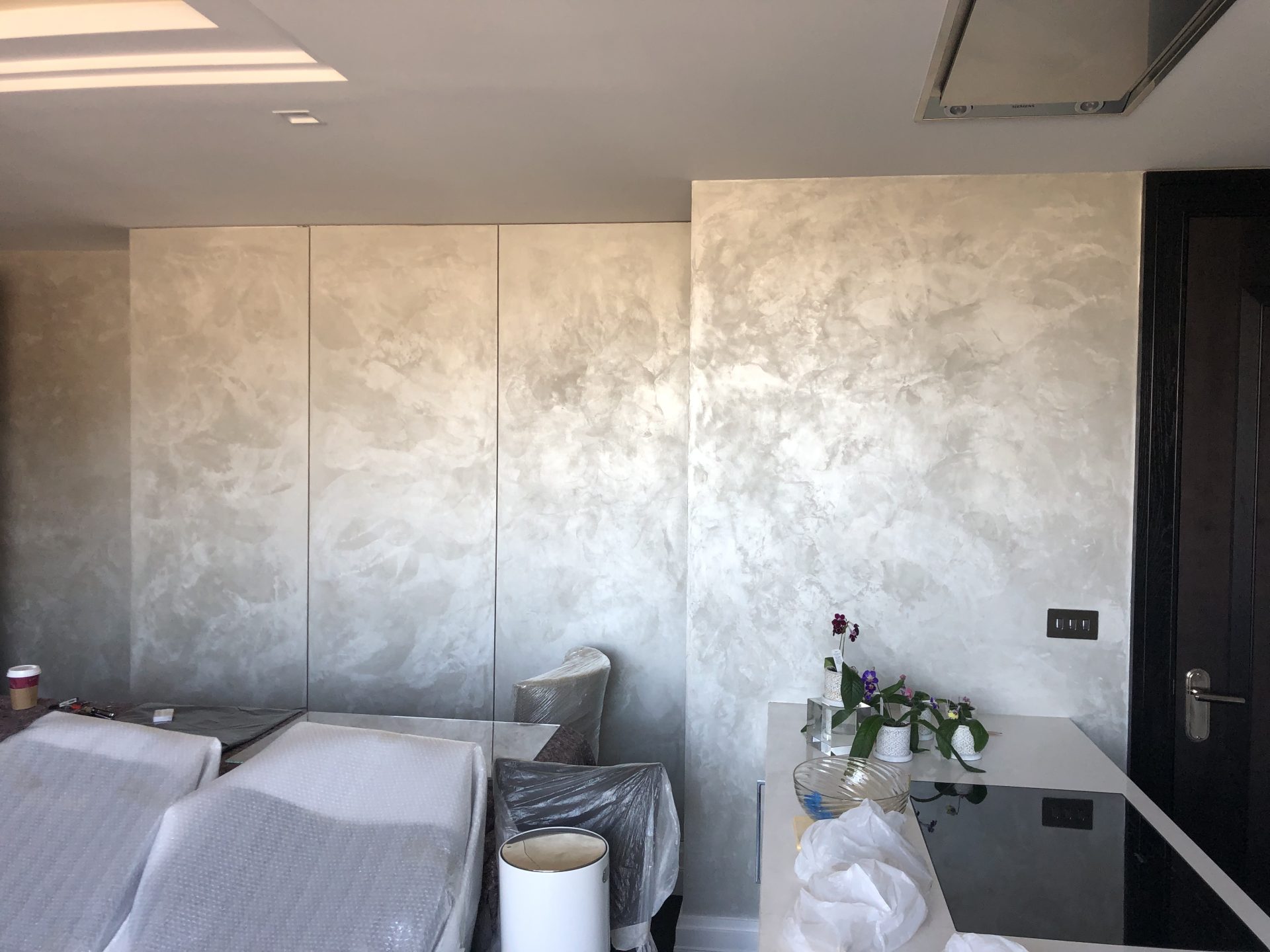
These are smooth and reflective. They create a marble-like look that changes with the light.
Soft matte finishes
These have movement and texture but less shine. Ideal for calm, modern spaces.
Textured finishes
These add character and depth. Often used on feature walls or statement areas.
You can see examples of different finishes in the project gallery on https://hikitia.co.uk.
Best way to use Venetian plaster in London homes
You might be wondering where Venetian plaster works best.
Here are some proven uses in London properties.
-
Feature walls in living rooms
-
Hallways and stairwells
-
Bedrooms for a softer look
-
Bathrooms when sealed correctly
-
Reception areas in offices or studios
In flats and terraces, Venetian plaster is often used to add character without reducing space.
For guidance on interior wall finishes and moisture performance, the UK government provides useful advice here:
https://www.gov.uk/guidance/damp-proofing-your-home
Common mistakes and how to avoid them
Venetian plaster looks simple when finished, but mistakes are costly.
Common issues
-
Poor wall preparation
-
Rushing the drying time
-
Using the wrong finish for the room
-
DIY attempts without training
The best way to avoid these problems is to work with specialists who understand the materials and process.
If you want expert input before starting, use the contact page on https://hikitia.co.uk to discuss your project.
Venetian plaster vs other wall finishes
People often compare Venetian plaster to other options.
Venetian plaster vs paint
Paint sits on the surface. Venetian plaster becomes the surface.
Venetian plaster vs wallpaper
Wallpaper adds pattern. Venetian plaster adds depth and texture.
Venetian plaster vs standard plaster
Standard plaster is flat and functional. Venetian plaster is decorative and refined.
Each has its place. Venetian plaster is chosen when aesthetics matter.
How long does Venetian plaster last and how do you maintain it?
When applied correctly, Venetian plaster can last for decades.
Lifespan
-
Often 20 years or more
-
No peeling or flaking like paint
Maintenance
-
Light dusting or wiping
-
Avoid harsh chemicals
-
Small marks can often be blended rather than repainted
This makes it a low-maintenance option over time.
Real world insight from London projects
From experience working on London interiors, Venetian plaster is often chosen after clients see it in person.
One common scenario:
-
A client wants a feature wall.
-
Paint feels flat.
-
Wallpaper feels temporary.
-
Venetian plaster provides depth without overpowering the room.
This is why it is frequently used in high-traffic areas and statement spaces.
Emerging Venetian plaster trends for 2026
Looking ahead, several trends are shaping how Venetian plaster is used.
What we are seeing more of
-
Natural, earthy tones
-
Softer matte finishes
-
Seamless walls without visible joints
-
Increased interest in breathable wall systems
-
Use in modern minimal interiors
As sustainability becomes more important, lime-based finishes are gaining attention for their natural properties.
FAQs
Is Venetian plaster suitable for bathrooms?
Yes, when sealed correctly. It is often used in bathrooms for a seamless, high-end look.
Can Venetian plaster crack?
Minor hairline movement can occur, but it is less prone to cracking than standard plaster when applied properly.
Is Venetian plaster eco-friendly?
Yes. Lime-based plaster is breathable and made from natural materials.
Can Venetian plaster be repaired?
Small areas can usually be repaired and blended without redoing the whole wall.
Is Venetian plaster outdated?
No. It is becoming more popular again due to its durability and timeless appearance.
Final thoughts and next steps
Venetian plaster for walls is not just about looks. It is about creating surfaces that last, age well, and add character to your space.
If you are considering Venetian plastering in London and want expert advice, explore the rest of https://hikitia.co.uk or get in touch for a free quote. A short conversation early on can save time and ensure you choose the right finish for your home or project.